
Metal Roofing Frequently Asked Questions
Clear, practical answers for Ontario homeowners comparing permanent metal roofing systems, profiles, installation methods and long-term performance.
- Ontario winter, snow, ice and wind performance
- Hidden fasteners, underlayment and ventilation
- Slate, shake, shingle, standing seam and European Tile
- Free, property-specific project review
Find the metal roofing answer you need
Select a category or continue through the complete FAQ below.
Common metal roofing questions
Every property is different. These general answers are a starting point; ROOFNOW™ can review your actual roof.
How long can a properly installed metal roof last?
A quality metal roofing system is designed for long service life. Actual performance depends on the roofing system, protective coating, roof design, ventilation, environment and installation quality.
Is a metal roof noisy during rain?
A residential metal roof installed over a complete roof assembly with sheathing, underlayment and attic insulation is generally not experienced like an exposed metal roof on an open building.
Does metal roofing attract lightning?
Metal roofing does not attract lightning. Metal is non-combustible and can safely disperse electrical energy when the building and electrical systems are properly designed.
Will a metal roof rust?
Modern roofing steel uses metallic coatings, primers and exterior finishes designed to resist corrosion. Correct material selection, cutting practices, drainage and installation remain important.
Is metal roofing only suitable for modern homes?
No. Metal roofing is available in traditional and contemporary profiles, including slate-look, shake-look, shingle-look, European Tile and standing seam systems.
How does metal roofing perform in Ontario winters?
A properly designed and installed metal roofing system can perform well through snow, ice, wind and freeze-thaw cycles. Roof-specific ventilation, flashing and snow management still matter.
Will snow slide off a metal roof?
Snow movement depends on roof slope, profile, surface, exposure and weather. Snow retention may be recommended above entrances, walkways, driveways or sensitive areas.
Can metal roofing help with ice-dam concerns?
Metal roofing can shed water effectively, but ice dams are primarily an attic heat-loss, air-sealing and ventilation issue. The complete roof and attic system should be assessed.
Can a metal roof withstand strong winds?
Wind performance depends on the tested roofing system, fastening pattern, perimeter details, roof geometry, substrate and installation. A site-specific system should be selected for the building and exposure.
How does metal roofing handle hail?
Performance varies by metal thickness, profile, supporting structure, coating and hail severity. Product testing and warranty terms should be reviewed for the specific system being considered.
Can metal roofing be installed over existing asphalt shingles?
Sometimes. The roof deck, existing layers, local requirements, ventilation and selected metal roofing system must be reviewed before deciding whether an overlay is appropriate.
Does the roof deck need to be inspected first?
Yes. The deck must provide a suitable, sound fastening surface. Areas affected by moisture, rot, movement or structural problems should be identified and addressed before installation.
Why are underlayment and ice protection important?
They form part of the secondary water-management layer beneath the metal roof. Materials and coverage should be selected for the roof design, slope and Ontario climate conditions.
Are hidden fasteners better than exposed screws?
Hidden-fastener systems protect primary fasteners from direct weather exposure and can provide a cleaner appearance. The right system still depends on the building and roof design.
Why does attic ventilation matter with a metal roof?
Balanced ventilation helps manage heat and moisture within the attic. Intake, exhaust, insulation and air sealing must work together; changing the roof covering alone does not correct every attic issue.
What metal roofing styles does ROOFNOW™ offer?
Available options can include slate-look, shake-look, shingle-look, European Tile, standing seam and integrated solar roofing for qualifying projects.
What is European Tile metal roofing?
European Tile is a contoured metal roofing profile designed to create the dimensional appearance of traditional roof tile while using a durable metal roofing system.
Can metal roofing look like slate, cedar shake or shingles?
Yes. Architectural metal panels can be formed and finished to create slate-inspired, shake-inspired and shingle-inspired appearances without relying on the original roofing materials.
What is standing seam metal roofing?
Standing seam uses long metal panels with raised vertical seams and concealed fastening. It creates clean lines and is used on many modern residential and commercial roofs.
Can a metal roof support integrated solar roofing?
Some qualifying projects can use roof-integrated solar products designed to work with a compatible metal roofing system. Roof slope, orientation, shading, electrical design and local approvals must be assessed.
Does metal roofing require maintenance?
Metal roofing is generally low maintenance, but periodic inspections are still recommended after severe weather and around flashings, sealants, penetrations, gutters and snow-control components.
Can a metal roof be repaired?
Many issues can be repaired when the cause is correctly identified and compatible parts and methods are used. Access, panel type, finish and the original installation all influence the repair approach.
How should leaves and debris be handled?
Valleys, gutters and drainage paths should be kept clear so water can leave the roof properly. Use safe access methods and avoid tools or cleaners that could damage the finish.
What should I know about metal roof warranties?
Review what is covered, who provides the coverage, transfer conditions, maintenance requirements and exclusions. Product, coating and workmanship warranties may be separate documents.
Can incompatible metals or chemicals damage a roof?
Yes. Contact between certain metals, runoff from incompatible materials and harsh chemicals can affect corrosion performance or finishes. Only compatible accessories and approved cleaning methods should be used.
How can I request a free metal roofing quote?
Complete the ROOFNOW™ form with your contact and property details or call toll-free at 1-833-901-1649.
What information should I provide?
Share the property address, building type, current roofing material, known concerns, preferred profile and any useful details about roof features or project timing.
Why does ROOFNOW™ prepare property-specific quotes?
Roof size, slope, height, access, geometry, flashing, ventilation, existing conditions and profile selection vary from property to property. A useful quote must reflect the actual project.
Does submitting the form create a roofing contract?
No. It is a free, no-obligation request for contact and project review. Roofing work begins only under accepted written project documents.
Can I call instead of using the form?
Yes. Call ROOFNOW™ at 1-833-901-1649 to ask a question or discuss your roofing project directly.
European Tile metal roofing
Prefer the dimensional appearance of classic roof tile? Ask ROOFNOW™ whether a contoured European Tile metal roofing profile is suitable for your property.
Profile suitability depends on roof slope, geometry, substrate, detailing, ventilation and the complete installation specification.
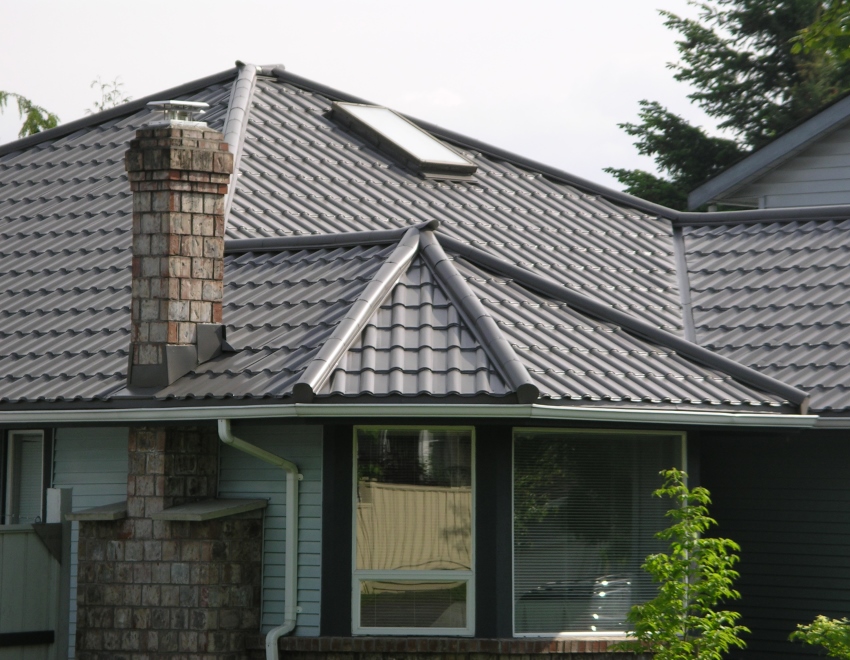
Traditional tile-inspired contours with the performance and lower weight of a metal roofing system.
Still have a metal roofing question?
Ask ROOFNOW™ about your property or request a free, no-obligation quote.
 Contractor Member
 50-Year Warranty